
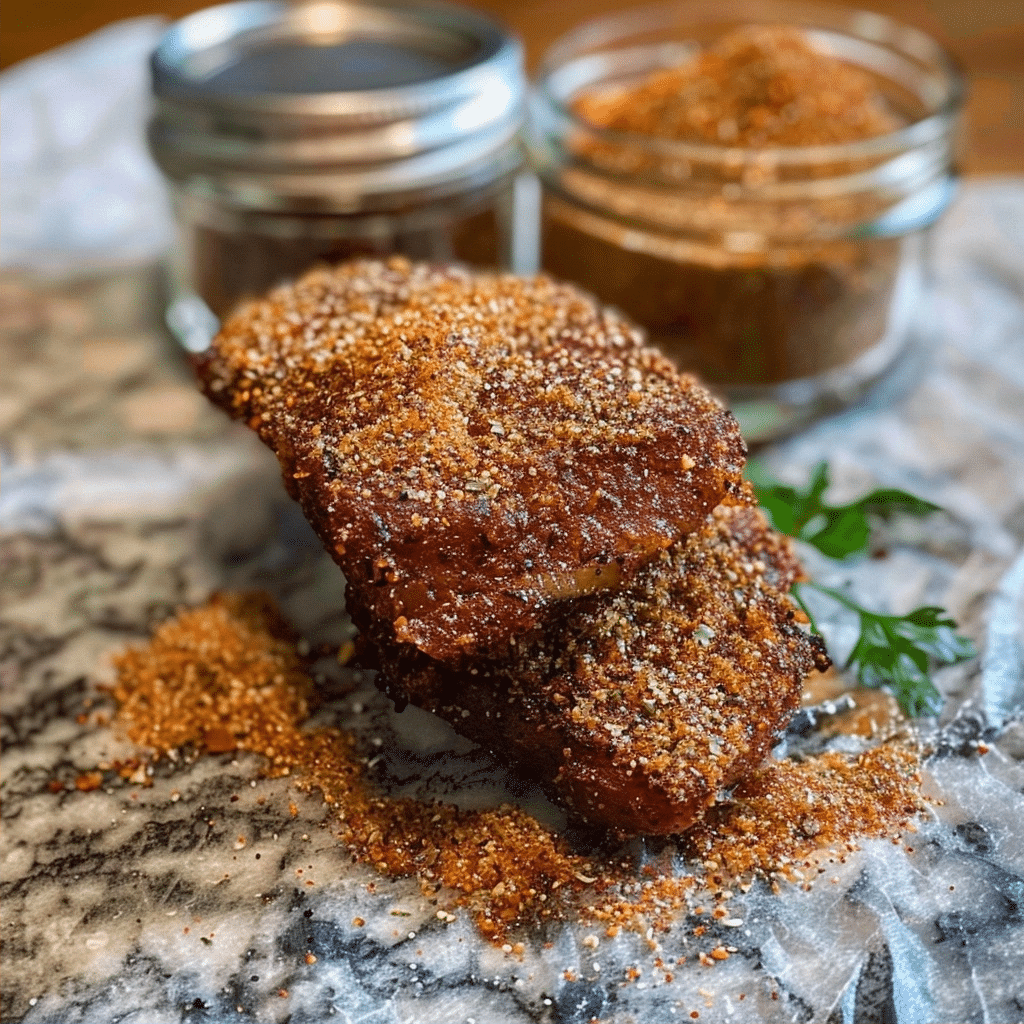
BBQ Rub Recipe is a versatile dry spice blend used to season grilled and smoked meats for bold, balanced flavor. This mix combines brown sugar, paprika, smoked paprika, black pepper, kosher salt, garlic powder, onion powder, mustard powder, and cayenne for sweet, smoky, and mildly spicy notes. Apply it as a dry rub before grilling, use it as a finishing sprinkle, or mix it into marinades for deeper flavor penetration. Store the prepared rub in an airtight container for convenience that enhances weeknight cooking and weekend barbecues.
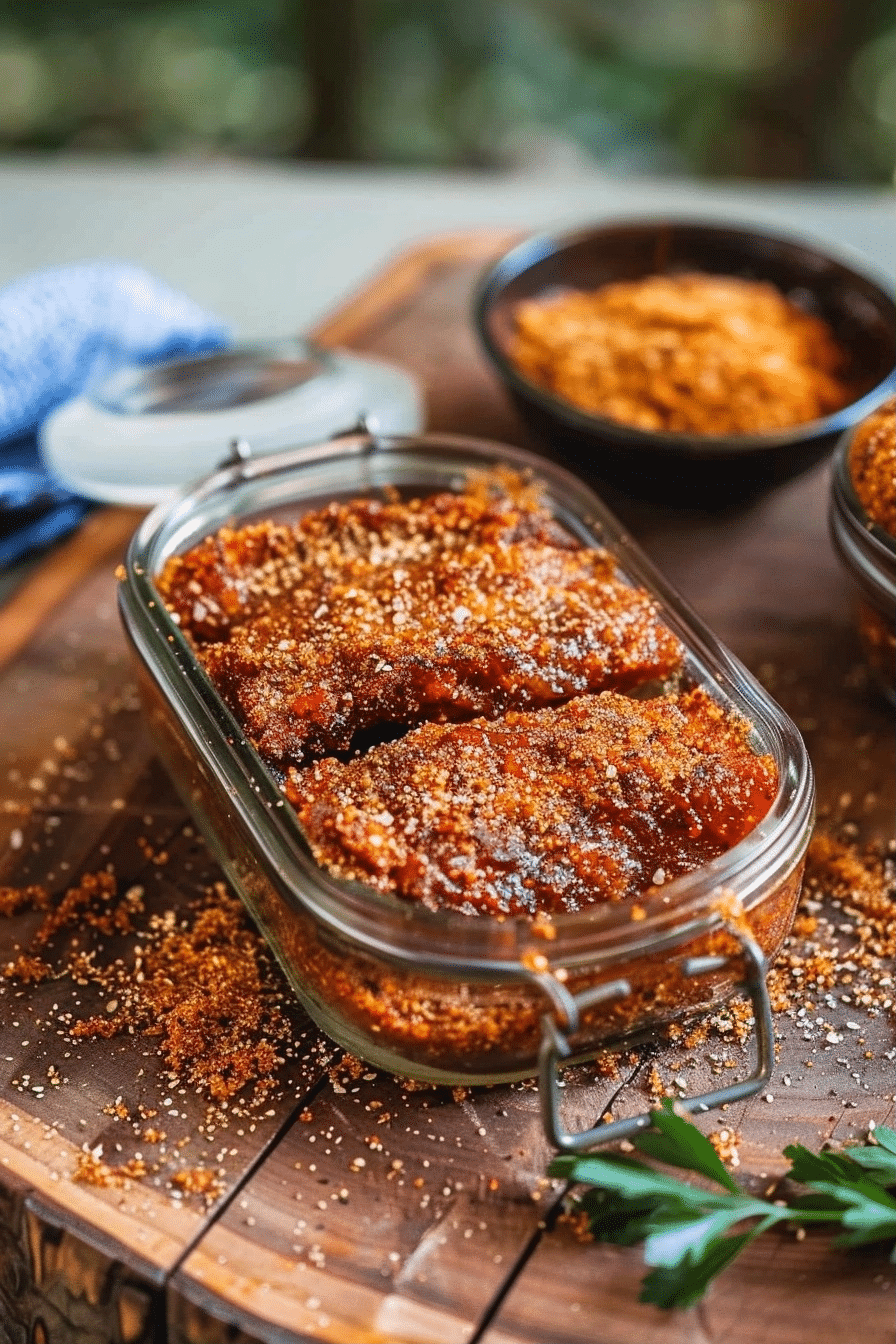
| Prep Time | Cook Time | Total Time | Servings | Difficulty | Cuisine |
|---|---|---|---|---|---|
| 5 minutes | 0 minutes | 5 minutes | Makes about 3/4 cup (serves many) | Easy | American BBQ |
Why This Recipe Works
This BBQ Rub Recipe works because it balances sweetness, smoke, heat, and savory elements to enhance meat flavors effectively. I rely on the brown sugar to caramelize, paprika and smoked paprika for layered smoke, and the salt and pepper to season deeply, achieving consistent results. Over years of grilling, I learned that equal parts savory spices and measured heat produce a rub that complements both beef and poultry. The mustard powder and garlic add a subtle pungency that brightens the overall profile while avoiding overpowering the main ingredient.
Each component plays a specific role, so simple ratios keep the blend versatile across different proteins and cooking methods. I prefer this formula for quick weeknight grilling and for low-and-slow smoking, because the balance holds up under high heat and long cook times. When you create this rub and apply it generously, expect a well-browned crust and satisfying flavor in the finished dish. Use the internal links to explore complementary techniques like grilling tips, smoking meat, and sauce pairings for complete results.
Ingredients for BBQ Rub Recipe
This BBQ Rub Recipe ingredients list gives exact measures and practical alternatives for every pantry. The table below shows quantities and notes so you can swap items while preserving the blend’s core character. Measure carefully for balanced seasoning and adjust small components like cayenne to match your heat preference. Use kosher salt for predictable salinity and adjust if you use fine table salt instead.
| Ingredient | Quantity | Notes with alternatives |
|---|---|---|
| Brown sugar | 1/2 cup | Use light or dark brown sugar; dark increases molasses depth |
| Paprika | 2 tablespoons | Use sweet paprika for mild flavor; substitute with more smoked paprika for extra smoke |
| Smoked paprika | 1 tablespoon | Gives smoke; use chipotle powder sparingly for smoky heat |
| Black pepper | 1 tablespoon | Freshly ground preferred; white pepper softens the bite |
| Kosher salt | 1 tablespoon | Scale down if using fine table salt; use sea salt for subtle minerality |
| Garlic powder | 1 tablespoon | Use granulated garlic or roasted garlic powder for a milder, sweeter edge |
| Onion powder | 1 tablespoon | Helps build savory backbone; shallot powder offers a slightly sweeter swap |
| Mustard powder | 1 teaspoon | Adds warmth and brightness; turmeric is not recommended as a direct substitute |
| Cayenne pepper | 1/4 teaspoon | Adjust to taste; use red pepper flakes for visible heat flakes |
Step-by-Step Instructions for BBQ Rub Recipe
This BBQ Rub Recipe follows two simple phases for mixing and storing the blend so it stays fresh and ready to use. Follow the ordered steps below and focus on accurate measuring and airtight storage to preserve the rub’s flavors. The final steps explicitly describe storage life and container recommendations for best shelf stability. Use the rub within three months for peak flavor when stored correctly in a cool, dry place.
Phase 1: Measure and Combine
- Measure: Gather and measure all ingredients precisely on a kitchen scale or with measuring spoons for consistent flavor results.
- Sift: Sift brown sugar if clumped, or break up large pieces with a fork to ensure even mixing with dry spices.
- Combine: Add brown sugar, paprika, smoked paprika, black pepper, kosher salt, garlic powder, onion powder, mustard powder, and cayenne into a medium mixing bowl.
- Stir: Mix all of the ingredients together thoroughly using a whisk or spoon until the color and texture are uniform throughout the bowl.
Phase 2: Store and Use
- Transfer: Spoon the blended rub into a clean, dry airtight container with a tight-sealing lid to prevent moisture entry and flavor degradation.
- Label: Mark the container with the name and preparation date so you track freshness and rotate supplies properly.
- Store: Store in a cool, dry place away from direct sunlight to preserve aroma and color; avoid humid environments like near the stove.
- Use: Apply the rub to meats at least 15 minutes before cooking, or up to overnight for thicker cuts to allow seasoning penetration.
- Keep: Spice rub keeps for up to 3 months when stored in a cool, dry place, so use within that window for optimal flavor.
Chef Tips for Perfect Results
This BBQ Rub Recipe benefits from precision and small technique adjustments to maximize flavor on every protein. Implement these chef-tested tips for consistent, excellent results.
- Use fresh spices: Replace older spices annually, because fresher spices deliver stronger aroma and better flavor impact on grilled foods.
- Brown sugar texture: Press the brown sugar lightly between your fingers to remove clumps, or pulse briefly in a food processor for uniform distribution.
- Salt balance: Start with the listed kosher salt, then taste a tiny pinch dissolved in water to confirm seasoning intensity before applying to large cuts.
- Application: Pat meat dry before applying the rub to promote adhesion and crisp bark development during high-heat grilling or smoking.
- Layer flavor: Combine this rub with a light oil coating on the meat to help spices adhere and encourage crust formation without burning.
Common Mistakes to Avoid
This BBQ Rub Recipe is straightforward but certain missteps can reduce its effectiveness; avoid them for reliable results. Read the mistakes below with explanations and corrective actions to ensure your rub performs as intended.
- Using old spices: Old spices lose potency; replace any spice older than 12 months and buy smaller quantities if you seldom cook with rubs.
- Over-salting: Excess salt will overpower meats; measure salt precisely and reduce by half when substituting fine table salt for kosher salt.
- Applying to wet meat: Moisture causes clumping and uneven coverage; always pat proteins dry with paper towels before seasoning.
- Storing improperly: Exposure to air and light degrades the rub; use airtight opaque containers and store in a pantry away from heat sources.
- Cooking too hot immediately: High heat can burn the sugar in the rub resulting in bitterness; monitor grill temperatures and avoid direct flames for sugary rubs.
Variations and Substitutions
This BBQ Rub Recipe adapts easily through small substitutions to reflect different flavor goals and heat tolerances. The table below lists common swaps and explains the impact to keep results predictable when you substitute. Test minor changes on small portions before scaling for large batches to avoid unintended flavor shifts.
| Ingredient | Substitution | Impact on Flavor |
|---|---|---|
| Brown sugar | Honey powder or coconut sugar | Honey powder increases floral sweetness; coconut sugar adds deeper caramel notes and less moisture sensitivity. |
| Smoked paprika | Chipotle powder | Chipotle adds smokier, spicier depth and a slight fruity heat compared to smoked paprika’s smoother smoke profile. |
| Cayenne pepper | Crushed red pepper flakes | Red pepper flakes add visual texture and burst heat pockets; cayenne spreads heat more evenly throughout the rub. |
| Mustard powder | Horseradish powder | Horseradish increases pungency and creates a sharper, more nasal heat similar to fresh mustard bite. |
Serving Suggestions and Pairings
This BBQ Rub Recipe pairs beautifully with a range of proteins and sides for seasonal meals and special gatherings. Pair the rub with grilled chicken, beef brisket, pork-free sausages, and roasted vegetables to showcase its sweet and smoky character. For sauces, serve alongside a tangy tomato-based barbecue sauce or a mustard-vinegar sauce to complement the rub’s balance. Offer side dishes like smoked corn on the cob, coleslaw, baked beans, and grilled sweet potatoes for complete plate harmony at backyard cookouts or holiday meals.
Storage and Reheating
This BBQ Rub Recipe requires simple storage limits to maintain potency and safe flavor for months. Store the sealed container in a cool, dry pantry and avoid exposure to humidity and strong odors to preserve taste. When used on cooked meats, reheat carefully to avoid burning the caramelized sugars in the rub; use indirect heat or a low oven for gentle reheating. The table below summarizes recommended storage methods and durations for both the rub and cooked leftovers.
| Method | Duration | Instructions |
|---|---|---|
| Airtight container | Up to 3 months | Keep in a cool, dry place away from sunlight; label with date. |
| Refrigerated cooked meat | 3 to 4 days | Store in airtight container; reheat gently in oven or on low indirect grill heat. |
| Frozen cooked meat | 2 to 3 months | Wrap tightly and thaw in refrigerator before reheating to preserve rub texture. |
Nutritional Information
This BBQ Rub Recipe offers modest calories per serving and functions primarily as a flavoring rather than a primary nutrient source. The table contains approximate values per tablespoon to help plan recipes and track intake when seasoning meats. Nutritional values vary by brands and exact measuring, so consider these approximations for general planning only.
| Nutrient | Amount per Serving (1 tablespoon) |
|---|---|
| Approximate values. | |
| Calories | 45 kcal |
| Protein | 0.1 g |
| Fat | 0.1 g |
| Carbohydrates | 11 g |
| Fiber | 0.5 g |
| Sugar | 8 g |
| Sodium | 420 mg |
Frequently Asked Questions
Can I substitute brown sugar in a BBQ rub for a lower-sugar option?
Yes, you can substitute brown sugar with coconut sugar or a sugar-free sweetener that measures like sugar to reduce refined sugar. Coconut sugar provides a deeper caramel-like note, while sugar-free options may alter texture and caramelization when exposed to heat. Test the substitute on a small portion of meat to evaluate how the crust and flavor develop during cooking.
How long should I let rubbed meat sit before cooking to achieve proper doneness?
Apply the rub at least 15 minutes before cooking for surface adhesion and light flavor infusion on most cuts. For thicker cuts, refrigerate the rubbed meat overnight to allow deeper seasoning penetration and improved bark formation during smoking. Always bring meat closer to room temperature before cooking for even doneness and predictable cook times.
What should I do if the rub burns during grilling or smoking?
Burning typically occurs when sugars contact direct high heat and char; reduce direct flame contact to prevent burning. Move the meat to indirect heat or reduce grill temperature when sugars start to darken too quickly, and consider applying a lighter layer of rub or using less brown sugar next time. Monitor doneness with a thermometer rather than relying solely on visual crust color to avoid overcooking.
Can I make the BBQ rub ahead of time and how long will it keep?
Yes, you can make this BBQ Rub Recipe ahead of time and store it in an airtight container for up to three months for optimal flavor. Keep the container in a cool, dry pantry away from heat and light, and label it with the date for rotation. For longest freshness, make only the quantity you expect to use within three months and replenish spices annually.
What are the best foods to serve with this BBQ rub for gatherings?
Serve this rub with grilled chicken thighs, beef brisket, vegetarian portobello steaks, and roasted sweet potatoes for broad appeal at gatherings. Pair the seasoned proteins with classic sides such as coleslaw, cornbread, baked beans, and a crisp green salad for balanced plates. Choose a complementary sauce like a tangy vinegar-based sauce or a mellow tomato-based barbecue sauce to highlight the rub’s sweet and smoky notes.
Conclusion
This BBQ Rub Recipe delivers dependable, well-balanced seasoning that enhances a wide variety of proteins and grilled foods. Mix as directed, store in an airtight container, and use within three months to enjoy consistent flavor and texture on every cook. Experiment with small substitutions from the variations table and apply the chef tips to refine results for your preferred heat and smoke levels. Embrace the signature flavor and make this rub a staple in your barbecue toolkit.
USDA Food Safety and Serious Eats offer trusted guidance on safe handling and grilling techniques for best practices.
BBQ Rub Recipe: Classic Sweet and Smoky Dry Rub Blend
Ingredients
- Brown sugar 1/2 cup
- Paprika 2 tablespoons
- Smoked paprika 1 tablespoon
- Black pepper 1 tablespoon
- Kosher salt 1 tablespoon
- Garlic powder 2 teaspoons
- Onion powder 2 teaspoons
- Mustard powder 1 teaspoon
- Cayenne pepper 1/2 teaspoon
Instructions
- Combine all ingredients in a small bowl and whisk until well blended
- Store in an airtight container in a cool, dry place for up to 6 months
Notes
Use sweet paprika for a milder flavor or add extra smoked paprika for more intensity
Kosher salt is recommended for balanced salinity
Apply rub generously to meats before cooking