
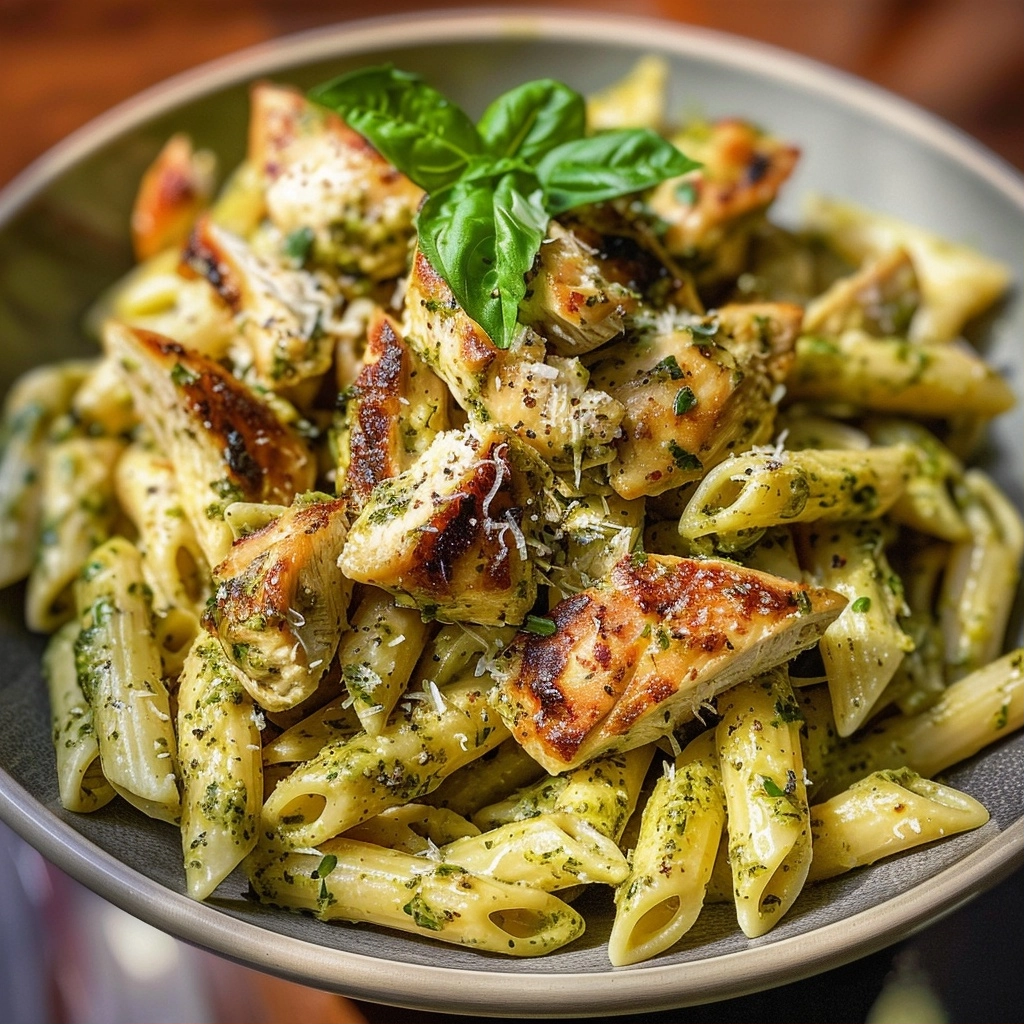
Pesto chicken pasta offers a satisfying, restaurant-quality meal that you can easily prepare in your own kitchen using simple ingredients. This dish combines tender, golden-brown chicken with perfectly cooked pasta tossed in a vibrant, silky basil pesto cream sauce. It provides a robust flavor profile while remaining accessible for busy weeknights when you need a reliable dinner solution. Follow this proven method to achieve a consistent, delicious result every time you cook.
Why This Recipe Works
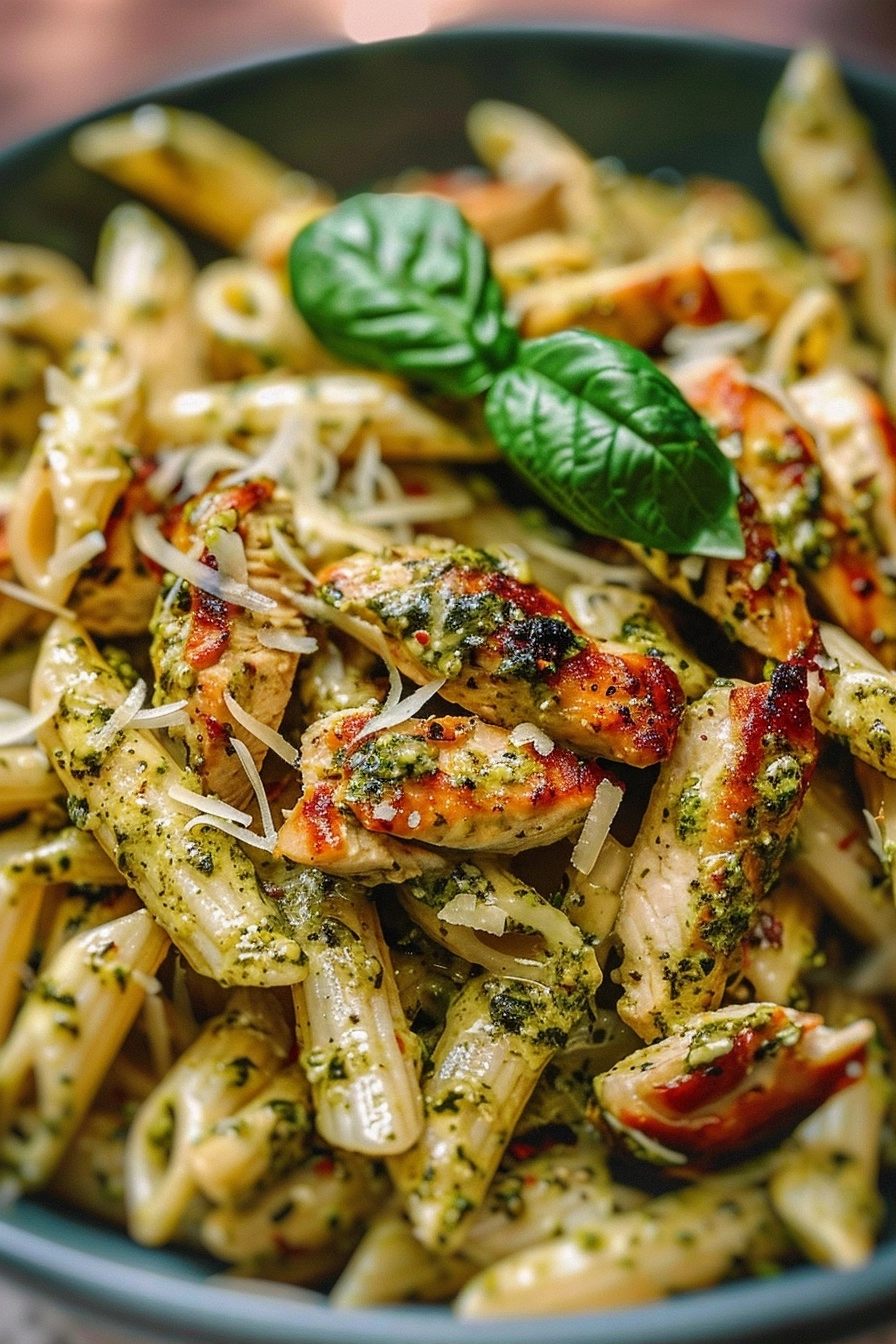
This recipe works because it balances the intense, herbaceous notes of traditional basil pesto with the mild, comforting texture of a creamy milk-based sauce. By using reserved pasta water, you create a natural emulsion that clings to the noodles without needing heavy cream. I have found this approach maintains the integrity of the pesto flavor while ensuring every bite stays perfectly coated and satisfying.
The cooking process is designed for maximum efficiency. Sear the chicken quickly to lock in moisture and flavor before building the sauce directly in the same skillet. This technique minimizes cleanup while capturing the browned bits of seasoning in the base of your dish. It is a reliable formula that guarantees a professional culinary outcome for home cooks of any skill level.
Recipe Overview
| Prep Time | 10 minutes |
|---|---|
| Cook Time | 15 minutes |
| Total Time | 25 minutes |
| Servings | 4 servings |
| Difficulty | Easy |
| Cuisine | Italian-inspired |
Ingredients
| Ingredient | Quantity | Notes/Alternatives |
|---|---|---|
| Pasta (Penne or Rotini) | 12 ounces | Use gluten-free if needed |
| Chicken Breast | 1 pound | Cut into bite-size pieces |
| Salt | 1 teaspoon | Divided use |
| Black Pepper | 1/2 teaspoon | Freshly cracked is best |
| Olive Oil | 2 tablespoons | Extra virgin preferred |
| Garlic | 3 cloves | Minced finely |
| Milk | 1 cup | Whole milk provides best texture |
| Basil Pesto | 1/2 cup | Store-bought or homemade |
| Parmesan Cheese | 1/2 cup | Grated fresh |
| Reserved Pasta Water | 1/4 cup | Crucial for emulsification |
Step-by-Step Instructions
Preparation
- Boil a large pot of salted water and cook the pasta according to package directions until al dente.
- Reserve 1/4 cup of the starchy pasta water before draining the noodles.
- Season the chicken breast pieces thoroughly with 1/2 teaspoon of salt and the black pepper.
Cooking the Dish
- Heat the olive oil in a large skillet over medium-high heat.
- Add the seasoned chicken pieces and cook for 5 to 7 minutes until the meat is golden brown and cooked through.
- Reduce the heat to medium and add the minced garlic, cooking for 1 minute until fragrant.
- Stir in the milk and basil pesto, mixing constantly until the sauce becomes smooth.
- Add the cooked pasta into the skillet and toss well to ensure every piece is coated.
- Pour in the reserved pasta water as needed to reach your desired sauce consistency.
- Stir in the parmesan cheese and the remaining 1/2 teaspoon of salt.
- Mix the pasta until the sauce is creamy and perfectly combined.
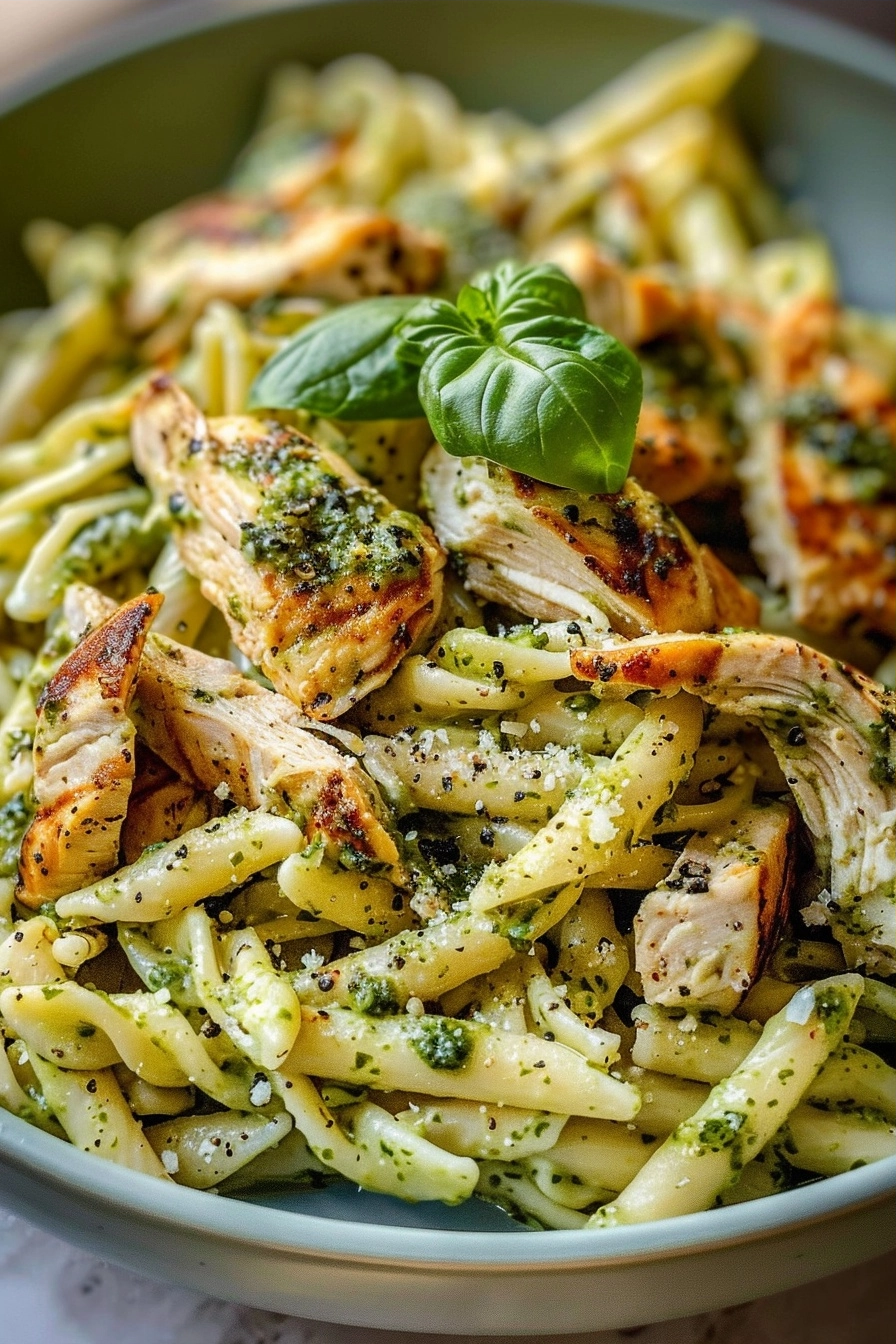
- Serve the dish warm immediately.
Chef Tips for Perfect Results
- Always reserve more pasta water than you think you need, as it is the secret to a smooth, non-greasy sauce.
- Avoid overcrowding the skillet when browning the chicken to ensure a golden crust rather than steaming the meat.
- Use room temperature milk to prevent curdling when it hits the hot skillet.
- Grate your own parmesan cheese from a block rather than using pre-grated varieties for better melting and flavor.
- Cook your pasta one minute less than the package instructions to ensure it maintains texture after tossing in the sauce.
Common Mistakes to Avoid
- Overcooking the chicken results in dry, stringy pieces that clash with the creamy sauce; keep a close eye on the cooking time.
- Adding the cheese while the skillet is on high heat can cause the sauce to separate; always lower the heat first.
- Skipping the salt measurement leads to a bland dish, as pasta needs proper seasoning in both the boiling water and the sauce.
- Using too little pasta water makes the sauce thick and pasty rather than silky and luxurious.
Variations and Substitutions
| Ingredient | Substitution | Flavor/Texture Impact |
|---|---|---|
| Chicken | Shrimp or chickpeas | Lighter texture or vegetarian option |
| Milk | Half-and-half | Provides a richer, thicker sauce |
| Pesto | Sun-dried tomato pesto | Adds a tangy, savory profile |
| Pasta | Whole wheat pasta | Increases fiber content slightly |
Serving Suggestions and Pairings
Serve this pesto chicken pasta with a side of crispy garlic bread and a simple arugula salad dressed with lemon vinaigrette. For drinks, consider a chilled sparkling water with a slice of cucumber or a light iced tea. This dish works beautifully for weeknight family dinners or casual gatherings with friends. Garnish each serving with extra parmesan and fresh basil leaves for a restaurant-style presentation.
Storage and Reheating
| Method | Duration | Instructions |
|---|---|---|
| Refrigerator | 3 days | Store in an airtight container |
| Reheating | N/A | Add a splash of water and heat on low |
Nutritional Information
| Nutrient | Amount per Serving |
|---|---|
| Calories | 480 kcal |
| Protein | 32g |
| Fat | 16g |
| Carbohydrates | 55g |
Approximate values.
Frequently Asked Questions
Can I make this dish ahead of time?
You can prepare the chicken and sauce in advance, but it is best to cook the pasta fresh just before serving. If you must prep everything, slightly undercook the pasta and store the components separately to prevent the noodles from soaking up too much sauce.
What should I do if my sauce becomes too thick?
Simply stir in an extra tablespoon of warm water or milk at a time until you reach your preferred consistency. Do not add too much liquid at once to ensure the sauce remains vibrant and flavorful.
Is there a way to make this recipe dairy-free?
You can substitute the milk with unsweetened almond milk and use a dairy-free pesto and vegan parmesan alternative. The texture may be slightly lighter, but the savory basil notes will still shine through beautifully.
How do I know when the chicken is perfectly cooked?
The chicken is done when the pieces are golden brown on the outside and reach an internal temperature of 165 degrees Fahrenheit. Visually, the meat should be opaque throughout with no pink centers remaining.
Which pasta shape works best for this recipe?
Penne or rotini are ideal choices because their shapes and crevices hold the creamy pesto sauce exceptionally well. Avoid long, thin strands like spaghetti, which may not capture the density of the creamy sauce as effectively.
Pesto chicken pasta serves as the perfect solution for anyone craving a flavorful, comforting meal without spending hours in the kitchen. By balancing fresh herbs, tender protein, and a silky sauce, this recipe delivers consistent quality every time. Experiment with different pestos or add seasonal vegetables to keep your dinner routine exciting. Enjoy the simple joy of a homemade meal that feels like a special occasion tonight.
Pesto Chicken Pasta
Ingredients
- 12 ounces pasta (penne or rotini)
- 1 pound chicken breast, cut into bite-size pieces
- 1 teaspoon salt, divided
- 1/2 teaspoon black pepper
- 2 tablespoons extra virgin olive oil
- 3 cloves garlic, minced
- 1 cup whole milk
- 1/2 cup basil pesto
- 1/2 cup grated fresh Parmesan cheese
- 1/4 cup reserved pasta water
Instructions
- Boil a large pot of salted water and cook the pasta according to package directions until al dente.
- Reserve 1/4 cup of the starchy pasta water before draining the noodles.
- Season the chicken breast pieces thoroughly with 1/2 teaspoon of salt and the black pepper.
- Heat the olive oil in a large skillet over medium-high heat.
- Add the chicken to the skillet and sear until golden brown and cooked through; remove chicken and set aside.
- In the same skillet, add the minced garlic and sauté until fragrant.
- Pour in the milk and bring to a gentle simmer.
- Whisk in the basil pesto and Parmesan cheese until smooth.
- Add the cooked pasta and seared chicken back into the skillet.
- Pour in the reserved pasta water and toss everything together until the sauce coats the pasta evenly and reaches your desired consistency.