
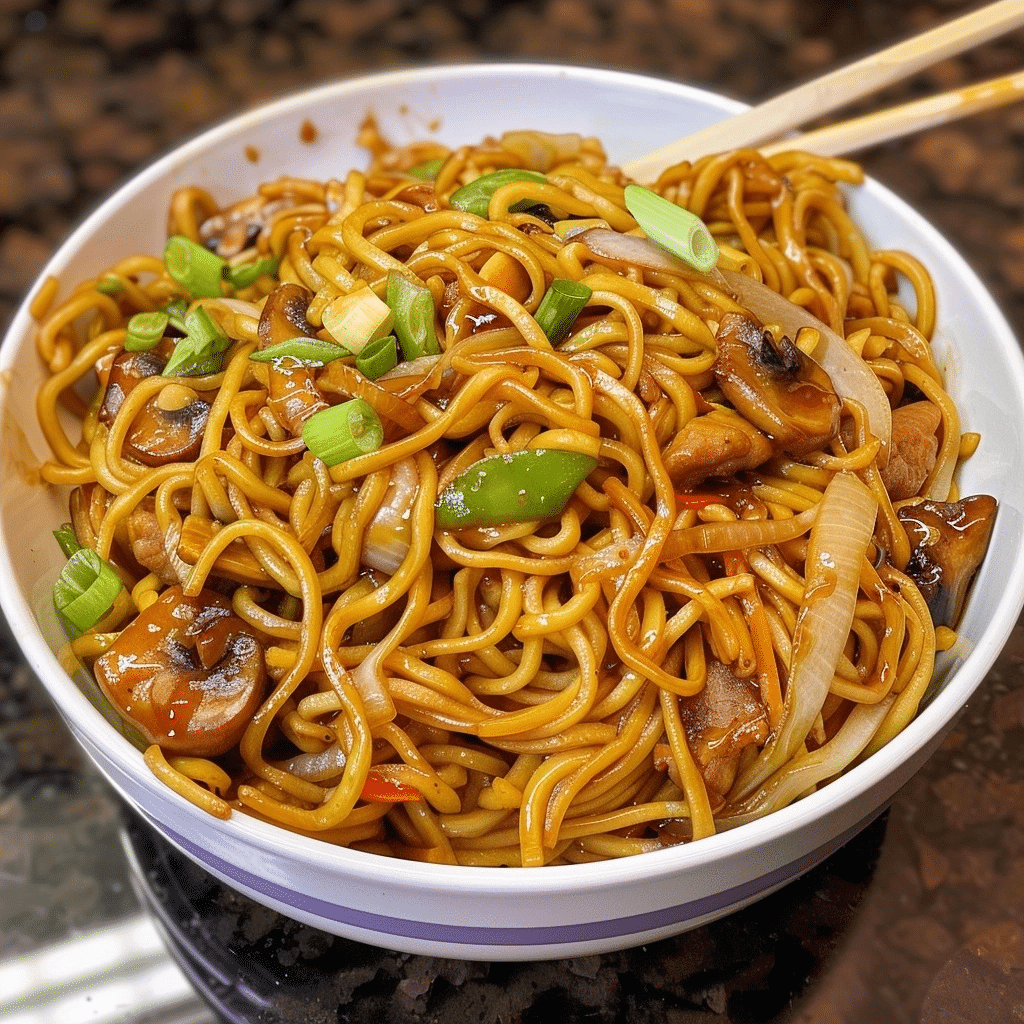
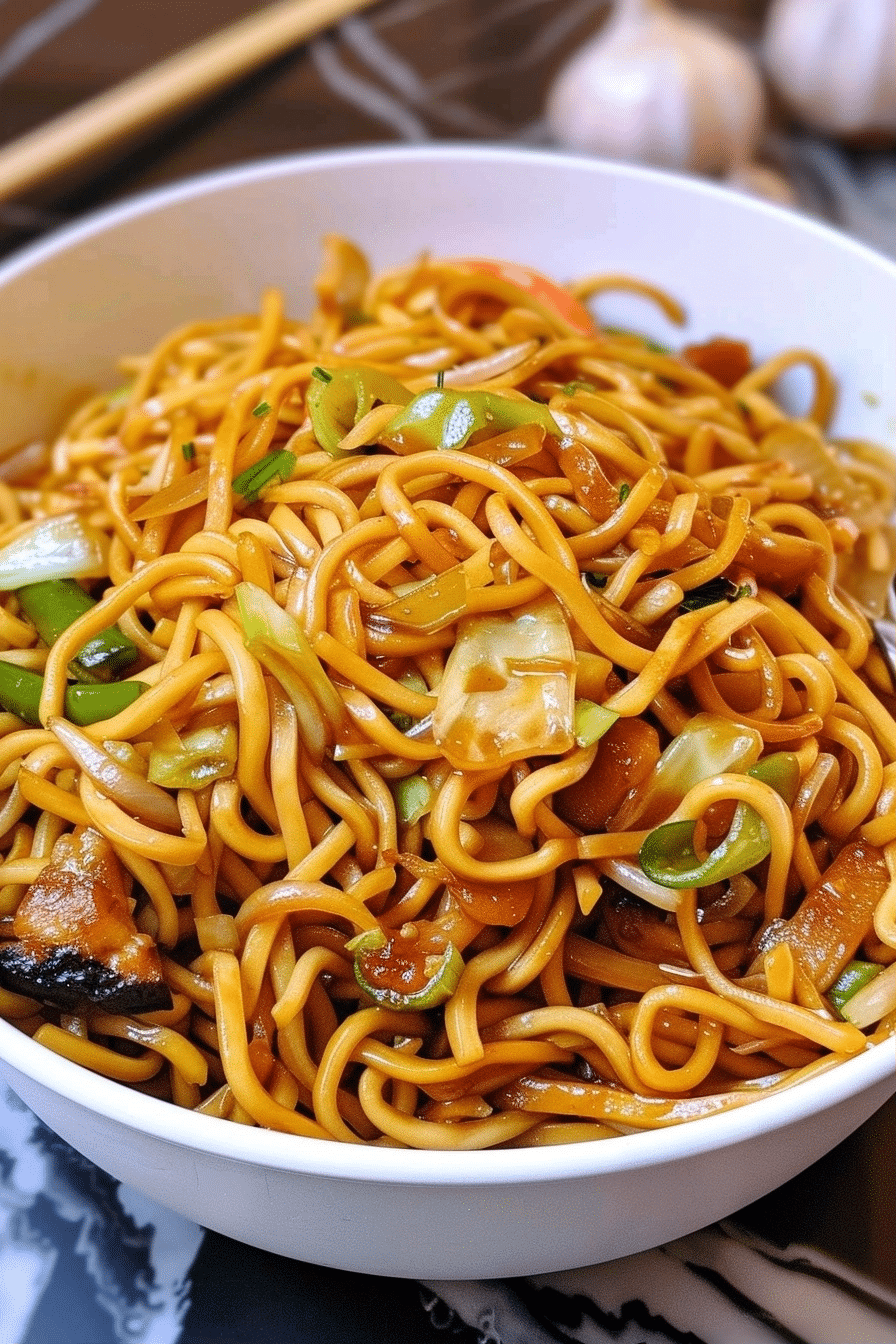
Homemade Panda Express Chow Mein is a restaurant-style stir-fried noodle dish that recreates the takeout flavor at home. This recipe uses fresh wheat lo mein noodles, crisp vegetables, savory sauces, and simple technique for consistent results. Follow precise steps and chef tips to deliver balanced texture, glossy sauce, and the signature Chinese-American takeout taste.
| Prep Time | Cook Time | Total Time | Servings | Difficulty | Cuisine |
|---|---|---|---|---|---|
| 15 minutes | 8 minutes | 23 minutes | 4 | Easy | Chinese-American |
Why This Recipe Works
This chow mein works because it balances fresh noodles, crisp vegetables, and a savory sauce for classic takeout flavor. I developed this version from repeated home tests to achieve the right noodle chew and vegetable crunch. I prefer fresh wheat lo mein noodles because they maintain texture and absorb sauce evenly without becoming soggy. I also rely on a small amount of butter and toasted sesame oil to create a glossy, layered finish similar to restaurant presentations.
Ingredients
This ingredient list provides everything required to recreate the Panda Express style chow mein at home. I list exact quantities and suggest practical alternatives to accommodate pantry variations and dietary needs.
| Ingredient | Quantity | Notes |
|---|---|---|
| Fresh wheat lo mein noodles | 16 ounces | Use fresh lo mein for best texture; substitute with fresh egg noodles if needed |
| Celery, sliced | 1 cup | Slice thin for quick cooking; use bell pepper for sweeter crunch |
| Onion, chopped | 1 cup | Yellow or sweet onion both work well |
| Scallions, chopped | 1 cup | Add mostly white and light green for texture and scallion aroma |
| Napa cabbage, sliced | 12 ounces | Wilt quickly; substitute with regular cabbage for firmer bite |
| Stir-fry oil or peanut oil | 2 tablespoons | High smoke point oils work best; use canola if allergic to peanuts |
| Butter | 2 tablespoons | Use unsalted butter to control salt level; dairy-free margarine can substitute |
| Toasted sesame oil | 1 teaspoon | Add at beginning for aroma; do not use more to avoid overpowering |
| Garlic, chopped | 2 teaspoons | Use fresh garlic for the best fragrance; see alternatives in substitutions |
| Black pepper | 1/2 teaspoon | Freshly ground gives more aroma than pre-ground pepper |
| Soy sauce | 3 tablespoons | Use low-sodium if preferred; tamari works for gluten-free needs |
| Oyster sauce | 1 tablespoon | Use mushroom oyster sauce for vegetarian option |
| Chicken base or bouillon | 1 teaspoon | Use vegetable base for vegetarian or halal compliance |
Step-by-Step Instructions for Homemade Panda Express Chow Mein
This section gives a clear, sequenced plan to cook the chow mein without guesswork. Follow each step in order to ensure the noodles and vegetables finish at the same perfect doneness.
Preparation
- Cook the noodles according to package directions and drain.
- Chop vegetables and set aside.
- Stir together the soy sauce, oyster sauce and bouillon in a small bowl and set aside.
Cooking
- Heat oil, butter and sesame oil in a large skillet.
- Cook vegetables until crisp-tender with the garlic and black pepper.
- Add the noodles and the sauce to the pan and toss until noodles are thoroughly coated and hot.
- Serve as a side dish with main dish stir-fries instead of rice.
Chef Tips for Perfect Results
These precise tips will help you refine texture, seasoning, and final presentation for authentic results. Apply each tip based on your equipment and taste preferences for reproducible success.
- Use fresh wheat lo mein noodles for springy texture; if frozen, thaw and warm briefly before cooking.
- Preheat the skillet until a bead of water skitters across the surface to ensure high-heat sear without steaming.
- Toss the sauce with warm noodles off heat briefly before returning to pan to encourage even coating.
- Keep vegetables thinly sliced and uniform to guarantee simultaneous, crisp-tender doneness.
- Add sesame oil at the start and adjust soy sauce at the end to avoid over-salting during reduction.
Common Mistakes to Avoid
Recognizing typical errors will prevent common texture and flavor issues. Each mistake includes an explanation and a targeted fix for immediate improvements.
- Overcooking noodles: If noodles become mushy, they were boiled too long; cook them just to al dente and drain immediately. Rinse briefly under warm water to stop cooking when required.
- Steaming vegetables: When vegetables turn limp, heat was too low or pan overcrowded; increase heat and cook in batches for a quick sear. Use a wide skillet to maintain high surface contact.
- Sauce separation: If sauce looks oily or separated, you added too much cold liquid; warm the sauce slightly before adding and toss quickly to emulsify. Use a small amount of butter to help sauce bind.
- Uneven seasoning: If the dish tastes bland, season in layers; season vegetables while cooking and taste the sauce before adding noodles. Adjust soy or bouillon sparingly to avoid excess salt.
- Soggy bottom: If the pan releases excess water, ingredients were crowded or wet; pat vegetables dry and use higher heat with less crowded batches. Finish by tossing off heat to avoid over-reduction.
Variations and Substitutions
This table lists practical swaps and explains how each substitution affects flavor and texture. Use the substitutions to fit dietary needs while maintaining the dish essence.
| Ingredient | Substitution | Impact on Flavor |
|---|---|---|
| Fresh wheat lo mein noodles | Fresh egg noodles or thick spaghetti | Egg noodles add richness; spaghetti yields slightly firmer chew and less absorbency |
| Oyster sauce | Mushroom oyster sauce or umami mushroom paste | Vegetarian option keeps umami depth with a milder, earthier profile |
| Peanut oil | Canola or grapeseed oil | Neutral oils reduce nutty aroma but maintain high-heat stability |
| Chicken base | Vegetable base or miso paste | Vegetable base maintains savory notes; miso adds fermented complexity |
| Soy sauce | Tamari or low-sodium soy | Tamari gives gluten-free profile with similar saltiness; low-sodium reduces salt intensity |
Serving Suggestions and Pairings for Homemade Panda Express Chow Mein
This chow mein works beautifully as a side or a main, paired with complementary textures and flavors. Serve it alongside light proteins or vegetable-forward mains for balanced meals and casual gatherings.
- Pair with orange chicken or honey garlic chicken for classic Panda Express style combos at family dinners.
- Serve with steamed broccoli or bok choy for weeknight meals that emphasize greens and freshness.
- Offer with grilled tofu or sesame ginger chicken for larger gatherings and potluck-style service.
- Use as an alternative to rice when serving multiple stir-fried mains for varied textures at dinner parties.
Related recipes and guides: Stir-Fry Fundamentals, Lo Mein Variations, and Vegetable Side Dishes.
Storage and Reheating
This section details safe storage durations and reheating instructions to preserve texture and flavor. Follow the table to store leftovers responsibly and reheat without sogginess.
| Method | Duration | Instructions |
|---|---|---|
| Refrigerator | 3 to 4 days | Cool quickly to room temperature, transfer to airtight container, refrigerate within two hours. |
| Freezer | Up to 1 month | Flash-freeze on a tray, transfer to freezer bag, thaw overnight in refrigerator before reheating. |
| Reheat on stovetop | Immediate | Warm a skillet with a teaspoon of oil, toss leftovers quickly over medium-high heat until hot throughout. |
| Reheat in microwave | Immediate | Cover loosely, heat in 30-second intervals, stir between intervals to avoid hot spots and sogginess. |
Nutritional Information
This table provides approximate nutritional values per serving based on standard ingredient estimates. Use the values for general guidance and adjust according to your specific brands and portions.
| Nutrient | Amount per Serving |
|---|---|
| Calories | Approximate values: 380 kcal |
| Protein | Approximate values: 10 g |
| Fat | Approximate values: 14 g |
| Carbohydrates | Approximate values: 52 g |
| Fiber | Approximate values: 3 g |
| Sugar | Approximate values: 4 g |
| Sodium | Approximate values: 900 mg |
Frequently Asked Questions
Can I use dried noodles instead of fresh lo mein noodles for Homemade Panda Express Chow Mein?
Yes, you can use dried noodles as a substitute. Cook dried noodles slightly less than package directions to maintain bite, then rinse under warm water to prevent sticking. Toss the noodles with a small amount of oil before adding to the pan to avoid clumping and to mimic fresh noodle mouthfeel.
How can I tell when chow mein noodles are done without overcooking?
Cook the noodles until they are al dente and still slightly firm to the bite. Test a strand by biting; it should resist slightly and not be mushy. Drain immediately and rinse briefly to stop carryover cooking and preserve the ideal chew for stir-frying.
Why is my chow mein soggy and how do I fix it?
Sogginess indicates excess water from either boiled noodles or crowded pan steaming the ingredients. Fix by cooking noodles to al dente, patting vegetables dry, increasing pan heat, and working in smaller batches. Reheat and quickly sear tossed noodles in a hot pan to drive off excess moisture and restore texture.
Can I make Homemade Panda Express Chow Mein ahead of time for a party?
Yes, you can prepare components ahead but finish-cook at serving time for best texture. Cook noodles and chop vegetables up to a day ahead, store separately, and assemble quickly over high heat when ready to serve. This method preserves crisp vegetables and prevents the noodles from absorbing too much sauce ahead of time.
What should I serve with chow mein for a balanced meal?
Serve chow mein with a protein and a vegetable side for a complete meal. Consider pairing with orange chicken, steamed broccoli, or sesame ginger tofu to add variety in texture and flavor. Include a simple green salad or light soup to round out the plate and add freshness.
For more stir-fry techniques see our internal guides: High-Heat Stir-Fry and Noodle Basics. For additional authoritative guidance on food safety and ingredient handling, consult USDA resources at USDA and cooking technique insights at Serious Eats.
Conclusion
Homemade Panda Express Chow Mein delivers a nostalgic, restaurant-style stir-fried noodle side that you can reproduce reliably at home. Practice the noodle timing and high-heat tossing to perfect gloss, texture, and seasoning balance. Share this adaptable recipe at weeknight dinners or gatherings to showcase the unmistakable savory, slightly sweet signature flavor.
Homemade Panda Express Chow Mein Recipe Perfected Now
Ingredients
- Fresh wheat lo mein noodles, 16 ounces
- Celery, sliced, 1 cup
- Onion, chopped, 1 cup
- Scallions, chopped, 1 cup
- Napa cabbage, sliced, 12 ounces
- Stir-fry oil or peanut oil, 2 tablespoons
- Butter, 2 tablespoons
- Toasted sesame oil, 1 teaspoon
- Garlic, chopped, 2 teaspoons
- Black pepper, 1/2 teaspoon
Instructions
- Bring a large pot of salted water to boil. Cook noodles according to package instructions until al dente. Drain and set aside.
- Heat stir-fry oil in a wok or large skillet over high heat. Sauté celery, onion, and Napa cabbage for 2-3 minutes until slightly softened.
- Push vegetables to the side. Add butter and sesame oil to the pan. Cook until butter melts and begins to brown.
- Add garlic and black pepper; stir-fry for 30 seconds until fragrant.
- Return noodles to the pan and toss to coat evenly with the oil and sauce. Mix in scallions and stir until noodles are heated through and glossy. Taste and adjust seasoning if needed.
Notes
For dairy-free, replace butter with neutral oil.
Store leftovers in an airtight container for up to 2 days. Reheating may reduce crunchiness.
Bell pepper or bok choy can substitute for celery/napa cabbage if preferred.